Copyright © 1992-2008 Glenn D. Littrel

www.glennlittrell.org



I am assuming your screen is set to 4 columns and 5 rows including the docking row. The docking row is the bottom row that is the same on all your screens.


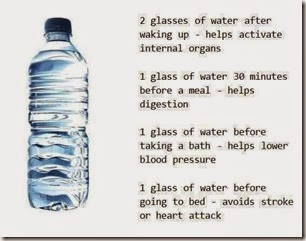 was not good, just necessary. Thus I've always had a problem with dehydration.
*note: Always check the label. Looked at an Evian bottle and the ones that showed a PH level showed a level below that show in the above chart. Its not uncommon for a brand to have a mixture of waters in their line.
Copyright © 1992-2019 Glenn D. Littrell www.glennlittrell.com
You don’t have to charge your phone all the way to 100%, heat is the enemy of your phone so don’t charge it beyond 100%.
In other words DON’T CHARGE IT OVERNIGHT.
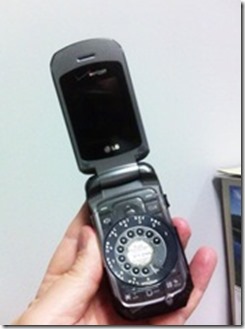
Try to charge it before it goes below 20% and don’t bother to charge it if it has an 80% plus charge, or at least stop charging it once it reaches 100%
For a faster charge turn the phone of, or blacken the screen (sleep), or close as many apps as you can.
Hilary Brueck/Nov 4, 2017
When was the last time you showered?
If you're like most people, the answer is probably less than 24 hours ago.
There's no official protocol for how often to shower, but folks around the world — in countries like India, the US, Spain, and Mexico — all bathe about once a day (either with soap or without) , according to Euromonitor International.
On reddit’s ‘AskAnAmerican’ channel, top commenters in the US say they shower even more than that — up to twice a day, depending on how often they exercise. And in Brazil, where temperatures in some areas routinely exceed 100 degrees in the summer, some rinse more than 11 times every week, Euromonitor says.
But are frequent suds really necessary?
by GlennDL
I tend to stay in cheaper, economy hotels, so my fear of transporting bed bugs is heightened. Anyone who tends to rent an apartment as opposed to living in a house has probably been reminded of the seriousness of mold and bedbugs whenever they sign a new lease with pages of addendums which put all the potential blame and liability on them if either mold or bedbugs appear.
It has always been my practice to never put my luggage, CLOTHING OR SHOES on anything except hard services such as countertops luggage racks or in some cases in the bathtub. Bugs tend to not like such services because of the temperature and their exposure to visibility. Of course it's not a foolproof method but so far it's worked for me. So I keep it all off of the bed, floors and chairs.
Another practice of mine is to never sleep under the covers. I always bring my own bedding usually a sleeping bag and sleep on top of the covers. Bed bugs tend to seek out where people sleep and most people sleep under the covers.
The article points out the importance of dirty laundry and even though I have always kept mine in a mesh bag, usually in the bath tub or hanging in the closet, shower or on a closet door. I will now start using plastic bags in place of the mesh laundry bag”

"...This result emphases the importance of making sure luggage and other belongings are made as inaccessible to bed bugs as possible when staying in increased risk places, for example by making sure bags are fully closed and secured and kept away from the bed.” Hentley agreed with this advice.
So there you have it. When traveling to possibly bed bug-contaminated locations—like, say, that sketchy-seeming hotel—keep your luggage on metal racks (bed bugs don’t like crawling on metal, said Hentley) or put your whole suitcase in a plastic bag to avoid picking up the horrors that are bed bugs." read full article
Update to original post:
Most phones are starting to be completely encased now, without removable sim cards, SD cards,or batteries which complicates your options. The 'rice' option seems to have fallen out of favor with some 'techies'. I recently got my Galaxy Note 5 completely wet while doing th 2017 St. Clair River Float Down. It was 8 hours before I could get to a bag of rice. Even if the bag of rice was available sooner my understanding from the linked articles is that the rice would have been of little use on a 'sealed' phone. Additionally, rice became lodged in the stylus and USB ports where it was very difficult to get out. Needless to say my phone was useless when all was said and done. The success of using rice in the past may have just been a case off dumb luck. Please take the original post with a grain of salt and cross reference it to the links provided:
Original post (8-8-2008)
Fast action is imperative in this situation. Get the phone out quickly. This is no time to be squeamish. The longer it is there, the more likely that water will penetrate. Corrosion moves fast. So first thing (after fishing it out of the toilet, which I won't get into), remove the battery. Pat it dry and set it aside. Pat the phone dry, too. Also, remove the sim card, if your phone has one. Sim cards are found on T-Mobile and AT&T (Cingular) phones. Other major carriers do not have them. Immerse in a container of uncooked rice overnight. You could also use an airtight bag with silica packs. Those are the things that protect goods from moisture. Silica sucks up moisture. You probably could find silica packs at camera stores. Third idea: Use a hair dryer. Or set it on the computer or TV set top box. Low heat shouldn't hurt the phone. But do not heat the battery. Depending on the nature of the water involved (toilet, salt, river, lake), it's might have stuff in it that could settle on fine circuitry. Tolerances on circuit boards are tiny; contaminants can cause huge problems. You might displace the contaminants with distilled water or alcohol. I'd prefer the latter, since it evaporates quickly and cleanly. And it displaces water. Hardware stores have denatured alcohol, which is used to clean electronic parts. Be sure it is denatured with methanol. If you buy rubbing alcohol, be sure it is 91 percent. The lower the percentage, the more water is used as filler. ...My guy used his phone after drying it overnight. But I'd go longer—maybe three days. You want to be sure. source
(and Keep Your Location Private)

Modern smartphone embed GPS coordinates in each photo they take. Yes, those photos you’re taking have location data embedded in them — at least by default. Many modern digital cameras also do this.
You can often play Internet detective, peeking at hidden details in photos you see online to find out where they were taken. You may want to hide this information when sharing sensitive photos online.
Find the GPS Coordinates
This information is stored as “metadata” embedded in the photo files themselves. All you have to do is view the file’s properties and look for it. It’s a bit like the potentially incriminating information that can be stored along with Microsoft Office documents or PDF files.

Sure, you may be able to see this information with an “EXIF viewer” application, but most operating systems have this feature built in.
This information isn’t embedded in every single photo. The person who took the photo may have disabled this feature on their phone or manually removed the EXIF details afterwards. Many image-sharing services online — but not all of them — will automatically strip the geolocation details for privacy reasons. If you don’t see these details, they’ve been stripped from (or never included in) the image file.
Match the Coordinates to a Location on a Map
These are standard GPS coordinates, so you just need to match them to a location on a map to find where the photo was actually taken. Many mapping services offer this feature — you can plug the coordinates straight into Google Maps, for example. Google offers instructions for properly formatting the coordinates for Google Maps. Plug the coordinates into such a service and you’ll see exactly where the photo was taken on a real map.
Bear in mind that this is just metadata and could be faked, but it’s pretty rare that someone would bother to fake metadata instead of stripping it entirely. It’s also possible for the GPS location to be off a bit. A phone or digital camera may just have been using its last known location if it couldn’t get an up-to-date GPS signal while taking the photo.

If you want to disable this entirely, you can go into your phone’s Camera app and disable the location setting. You can also remove the embedded EXIF data before sharing potentially sensitive photos. Tools are built directly into Windows, Mac OS X, and other operating systems for this — follow our guide for more details.
Bear in mind that these coordinates are used to help you, too. For example, with a service like Google+ Photos, Yahoo!’s Flickr, or Apple’s iCloud Photo Library, you can organize your photos and view them by where they were taken. You can always strip out the location information on your own if you want to share a photo — that’s why so many services will automatically remove the geolocation details when you share the photo with someone else.
On Android, this process varies from phone to phone. Different manufacturers include their own custom Camera apps, and even Android 4.4’s Camera app works differently from Android 5.0’s. Dig around your camera app’s quick settings toggles or settings screen and look for an option that disables this feature — or just perform a quick web search to find out how to disable it on your phone and its camera app.

The EXIF metadata stored along with photos also includes some other details. For example, you can see exactly which model of camera (or smartphone) the person used to take the photo. You can also examine exposure settings and other details.
Most of these details aren’t considered anywhere near as sensitive as GPS location details — although professional photographers may want to keep their tricks and settings secret.
For Mac and IPhone methods (Why would you have a Mac or IPhone?) view the complete article.

If adhesive tape residue has you stuck in a mess, get unstuck with these six tips.
Here’s the thing: The reason we love to use adhesive tape – because it sticks – is the same reason we loathe it when it won’t come off. And that sticky, gooey residue left behind? What a mess!
Why does this happen, and what can you do about it? Our Corporate site did a great job explaining why residue occurs, but what you really want to know is… what can you do about it, right?! Well, friends, as tape experts, we have answers!
First of all, its important to know your surface, and then choose the correct tape. Duct tape on drywall? Not a good idea. A little research will go a long way in preventing any sticky issues.
Always, always clean and dry your surface before applying tape. Dirt, grease, lint, old paint, wet paint, plaster… it all increases the probability of extra adhesion.
Consider updating your tape. Removing the old tape, cleaning the surface and applying fresh tape reduces the adhesion build-up. This is especially true of masking tape.
That said, if adhesive tape stains have you stuck in a mess, get unstuck with these six tips:
from: https://www.echotape.com/2014/04/17/six-simple-solutions-to-remove-tape-residue/

You may find them useful, but as for me, the behemoth that takes forever, consumes my hot water and requires prepping that doesn’t save me any time is being converted to an “under the counter dish rack” in my kitchen. Clearing my countertop of the old dish rack.before

August 3, 2015
“Today we are going to address a different topic than we normally do, and that is the issue of what some people call, “Facebook hacking.” It isn’t truly “hacking” but it can appear as if someone has hacked into your Facebook profile and it is becoming increasingly common in Facebook. Crooks are using this cloning method frequently to prey on unsuspecting victims to obtain information or even money from them. While this topic isn’t specifically financial related, it CAN have financial consequences, which I will explain later.
Hacking vs. Cloning
Most Facebook users have had the experience of logging into their account to find a friend request from someone whom they thought they were already friends with on Facebook. Some people will check their friends list to see if that person is already listed there and recognize that this new request is a fake and ignore the request. However, some people proceed with accepting the friend request without thinking about it. After all, they see the person’s profile picture, city and state where they live, name of employer, etc. and it all matches the person that they know.
Some people think it is the case of their friend’s account actually being “hacked”- someone else obtaining access to their user name and profile and hacking into their account. In reality, what has likely happened is the “hacker” has used the information from a person’s public profile to set up a new fake profile that exactly matches (clones) the legitimate profile. They are probably not friends with that person on Facebook but rather have obtained the information that is viewable by the public. They establish a fake email account through free email services such as Gmail or Yahoo, and then create a fake cloned profile using the exact same information as the real profile- everything from profile picture, hometown, employment, pages they have liked, groups they are in, etc. Then they send the friend request from the fake profile to the real user’s friends (also public information). Once those friends accept the request, the hackers will either send spam messages to these new “friends” or in worse situations, they will try to con them into giving them money, pretending to be that person’s legitimate friend in some kind of dire situation requiring funds be wired.
How to protect yourself
1. Keep your profile private. The easiest way to protect yourself from becoming a victim is simply to limit what information the public can view so they don’t have enough information to create a cloned profile. Your profile picture and cover photo will always be public. Facebook does not allow you to make that private. However, all other information, including your friends list, can be kept completely private or made viewable only to friends. This will need to be done in two separate steps:
– First, make all of the information in your profile private or viewable by friends only by changing all of your settings in Privacy Settings and Tools. First, go into the settings menu by clicking the drop-down arrow on the far right of the blue bar at the top of the screen, then click on Privacy from the menu on the left. Under “Who Can See My Stuff”, you will see “Who can see your future posts?” Click on EDIT and change from Public to Friends. Here is what it looks like:
– You will also need to click on your friends list and make that private as well. That way, even if your profile were to be cloned using just your name and profile photo, they will have no way of getting to your friends list. Go back to your profile page and click on Friends. Then click on the pencil icon and select “edit privacy”. Again, change from “public” to “friends”.
**
2. Check your own friends list for duplicate friends. If you notice you have a duplicate of any of your Facebook friend profiles, check with your friend outside of Facebook and find out which one is legitimate. Immediately remove the fake profile and report it to Facebook.
3. Never accept a friend request from someone who is already on your friends list unless you receive confirmation directly from them outside of Facebook that it is a legitimate profile.
4. Never ever send money by wire services such as Western Union and MoneyGram to anyone who is requesting it from you by email, Facebook, or any other method that could easily be hacked by someone else, even if you think the request is coming from a friend. Always verify with them directly over the phone or in person.”
Happy Facebooking!
Remember this during pool season - Fill container with vinegar, sugar and salt to trap wasps... Place these around the yard this year! Share this! You're friends will thank you !

One cup of sugar to 4 cups of water.
Migration Map (2016): http://www.hummingbirds.net/map.html
For years I’ve asked if anyone new what happens when you message someone who’s not on your 'Friends List'. Maybe its someone you want to send a message to, but not add to your friends list. Like an ex-girlfriend, ex-bully, or ex-boss.
Or a Republican 
If you go to their Facebook page of someone not on your friends list you usually have two options ‘Friend’ them or ‘Message’ them, but when you message them do they see it?
I’ve sent messages to people not on my Friends list many times but have never received a message back. It use to be you could ‘poke’ them, but what the hell was that all about?
Well thanks to USA Today we’ve discovered another little known Facebook tidbit. Why do we have to dig for these nuggets of information. Hay Facebook how about a How To website for the rest of us! (Yeah you to Twitter, Microsoft, YouTube, and Android).
I did this and discovered 21 messages that I was unaware of dating back to 2009! I’m going to respond to those messages but the curious thing is: Do any of them know how to open their “Filtered” hidden folder?
Please share this information.